
PPA Mentorship Awards 2026
The PPA Mentorship Awards 2026 recognize researchers that are exceptional mentors. Two categories were awarded:
Postdoctoral Mentorship Award - Recognizing a postdoc who has gone above and beyond in mentoring peers, students, or others in the academic environment.
Faculty Mentorship Award – Honoring a principal investigator who has shown exceptional commitment to mentoring postdoctoral researchers.
All nominations were anonymized (i.e., remove names / gender / labs / research topic / etc.) and scrambled to make the selection as unbiased as possible. A jury panel consisting of five members scored every submission (out of 10) based on a list of mentorship criteria and three winners for each category were decided based on the highest average score.
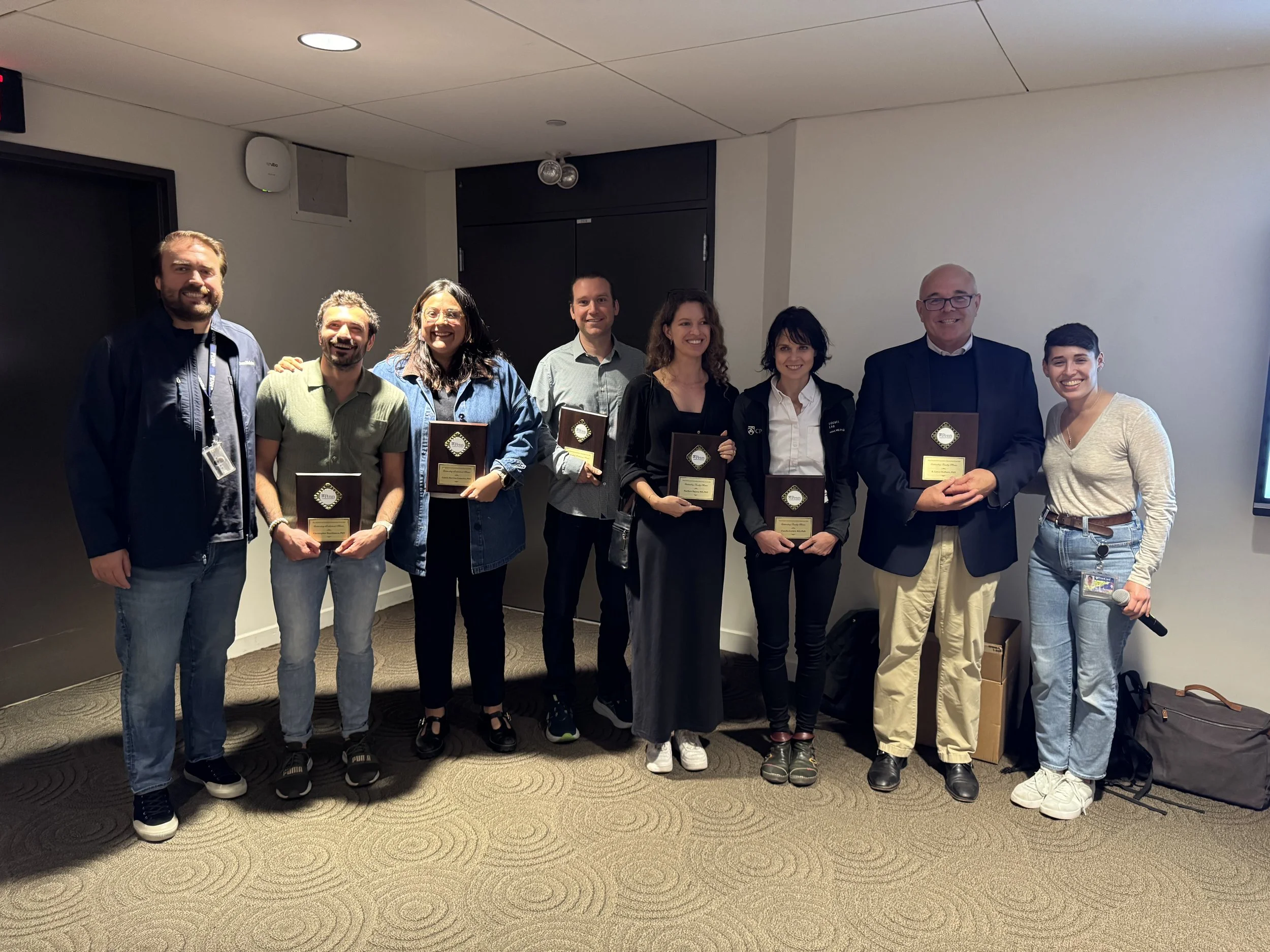
Congratulations to everyone who was nominated, and of course to our winners as well! Your exceptional dedication to mentoring has made a significant impact on others, as was certainly reflected in the heartfelt nominations we have received for all of you!
Postdoc Mentorship Award Winners
-

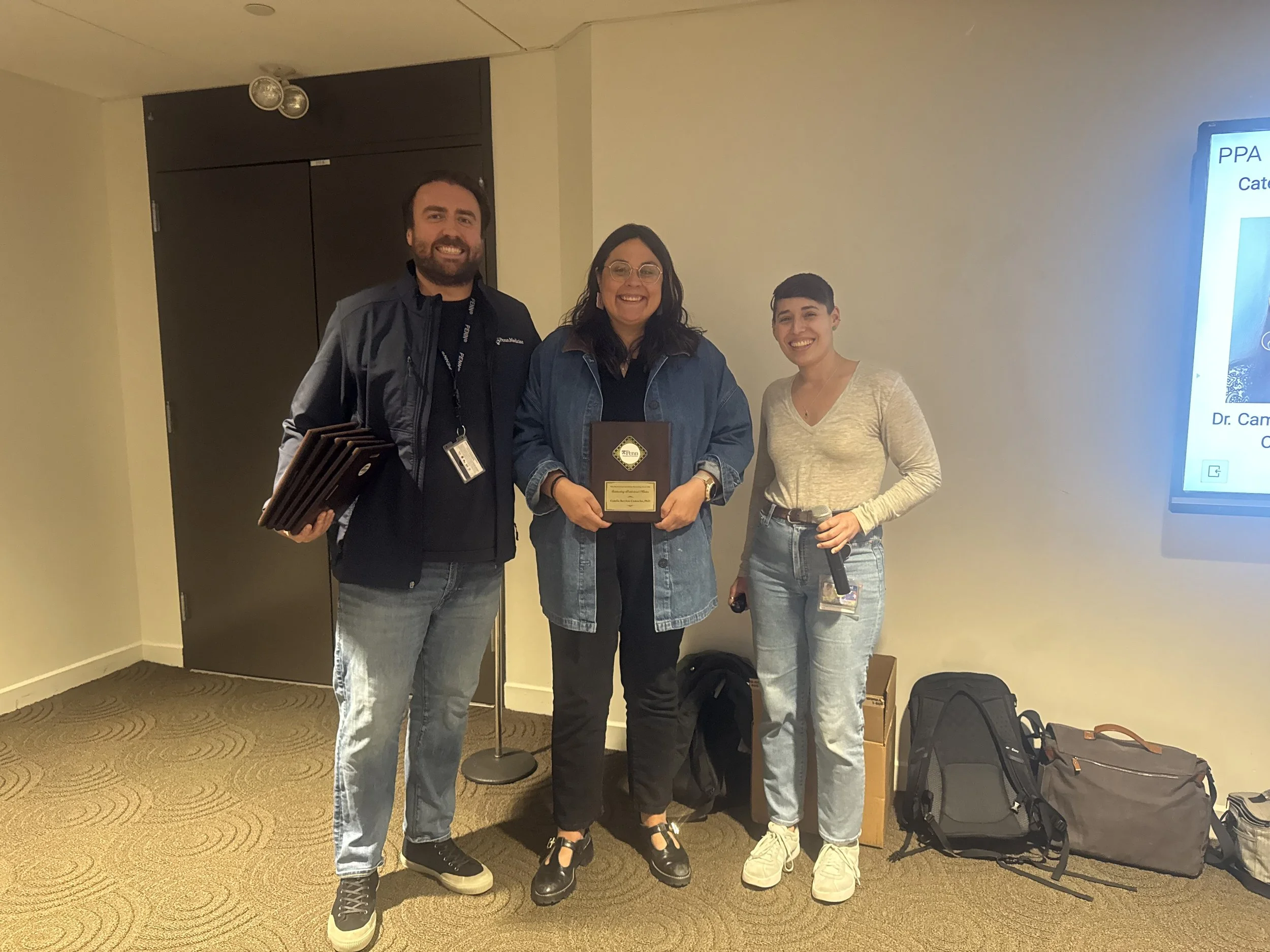
Camila Barrios-Camacho, PhD
Dr. Camila Barrios-Camacho is a developmental neurobiologist in Greg Bashaw’s lab, where she studies the transcriptional outputs of axon guidance receptors. A mission-driven scientist, Camila believes in the unequivocal capacity of all people to grow and work towards their goals. She is grateful to all the students she has had the privilege of mentoring. Outside the lab, you can find her playing jazz and Latin American folk music in various ensembles across Philadelphia, exploring the world on her bike, and spending time with her dog and loved ones.
-

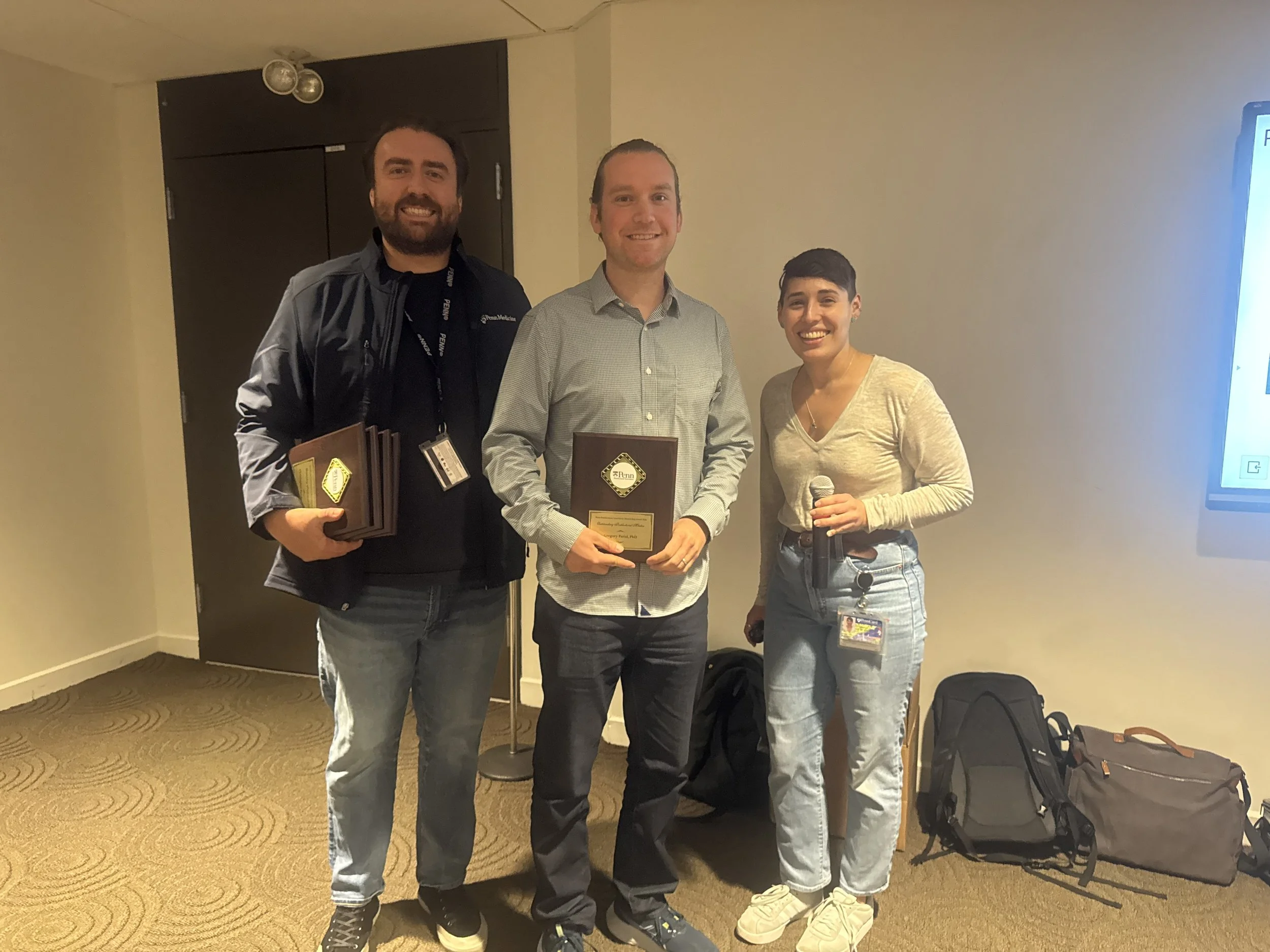
Gregory Parisi, PhD
Dr. Gregory Parisi is a Center for Soft and Living Matter Postdoctoral Fellow in the McBride Lab at the University of Pennsylvania, where he studies dynamic wetting and stimuli-responsive materials for applications in heat transfer and water treatment. He hopes to one day lead his own research group and is passionate about mentoring the next generation of scientists, including undergraduate and graduate students as well as high school students through Penn’s PREHSS and HIP programs. Outside the lab, he enjoys teaching his dog, Freddie, new tricks and playing ping pong.
-
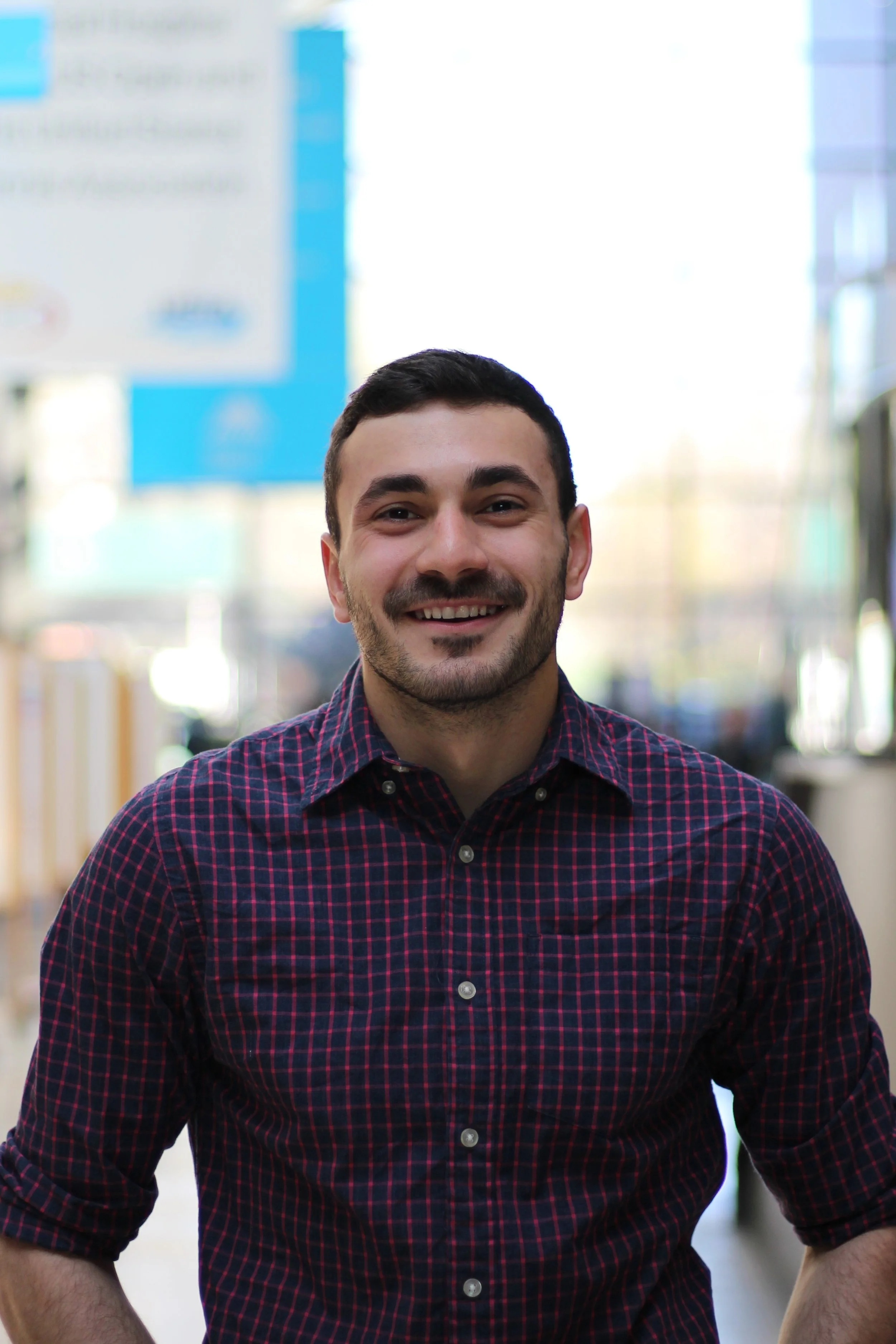
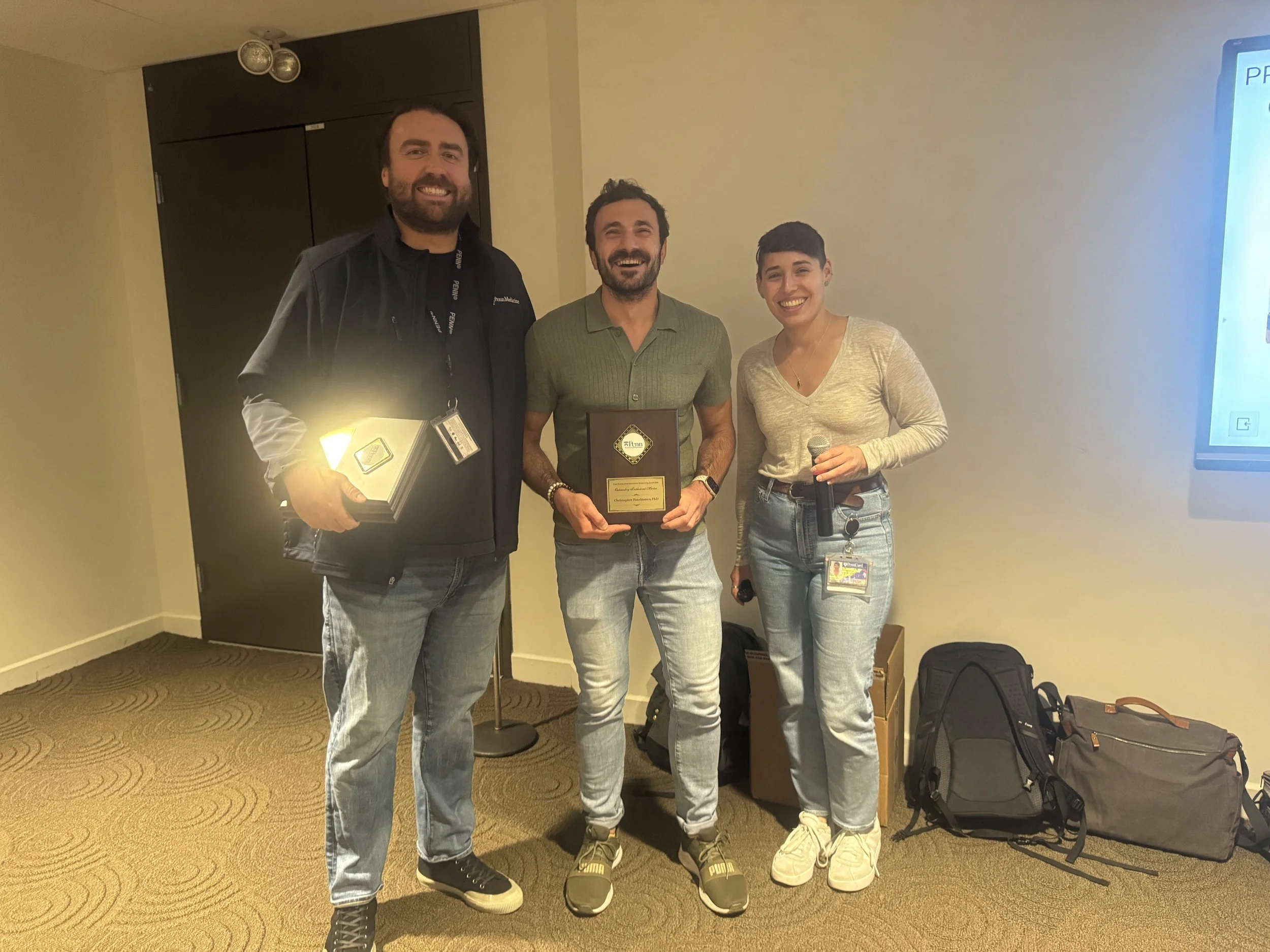
Christopher Panebianco, PhD
Dr. Christopher Panebianco is an IRACDA Postdoctoral Research Scholar in the Department of Orthopaedic Surgery at the University of Pennsylvania. He earned a B.E. in Chemical Engineering from The Cooper Union in 2016 and a Ph.D. in Biomedical Sciences from the Icahn School of Medicine at Mount Sinai in 2022. Throughout his training, Dr. Panebianco has developed a multidisciplinary research interest in mechanobiology, developmental biology, and regenerative engineering.
Dr. Panebianco synergizes his research with teaching, mentorship, and outreach experiences that galvanize the next generation of biomedical engineering researchers. He implements inquiry-based learning at primarily undergraduate institutes with limited access to research opportunities. This pedagogy challenges students to ask open-ended scientific questions, then answer them by designing and completing hands-on experiments. Dr. Panebianco uses these experiences as recruitment opportunities to directly mentor students in biomedical engineering research. At Penn, he has leveraged this network to mentor students from Penn, Rutgers University - Camden, Alabama State University, and the Community College of Philadelphia.
Faculty Mentorship Award Winners
-

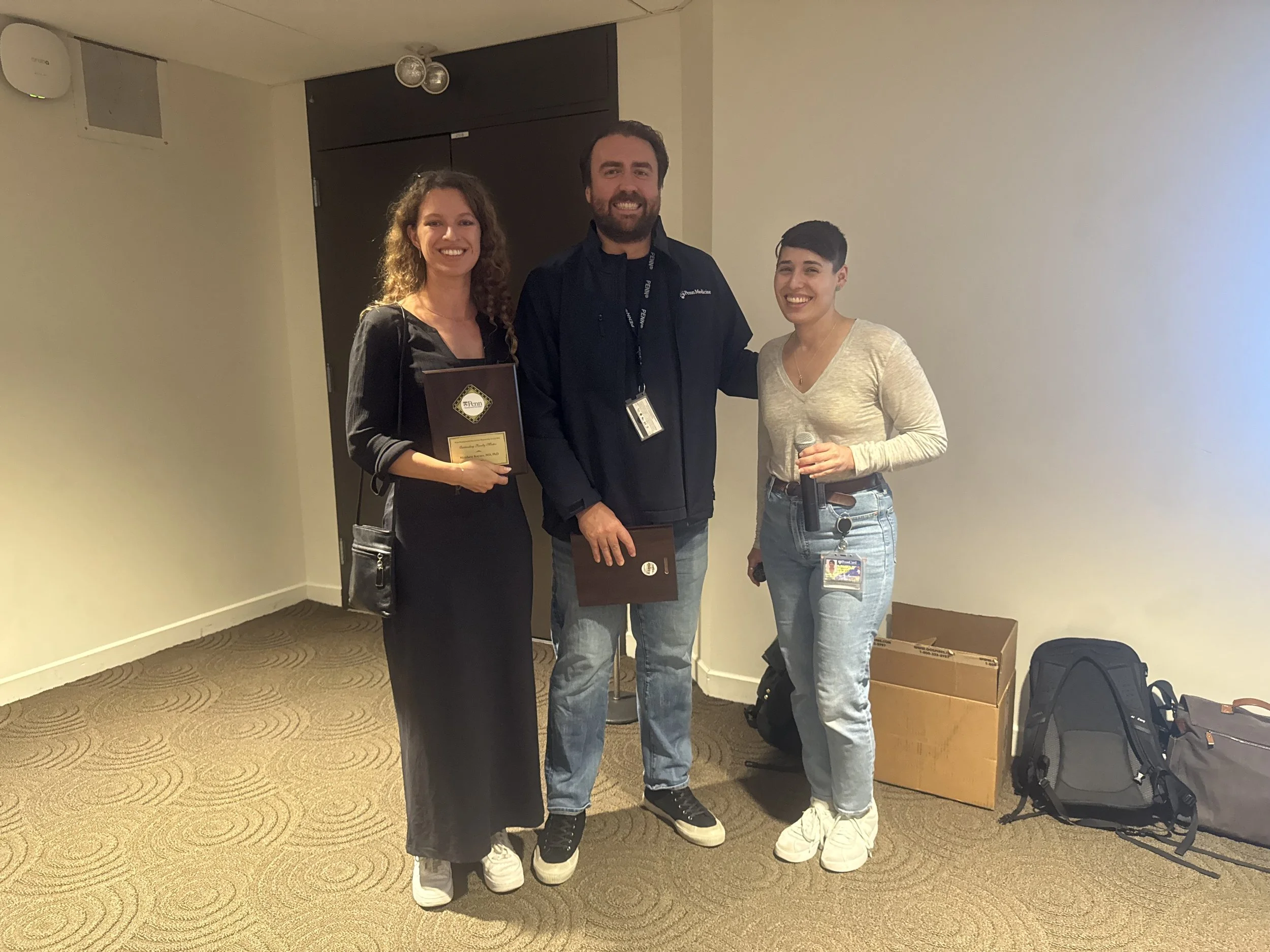
Matthew Kayser, MD, PhD
Dr. Matthew Kayser is the Karl E. Rickels Associate Professor of Psychiatry at the University of Pennsylvania Perelman School of Medicine. He is a psychiatrist and neuroscientist whose laboratory uses fruit flies to understand how sleep shapes the developing brain and how disruption of these processes contributes to neurodevelopmental and psychiatric disorders.
Matt is deeply committed to mentoring scientists at all stages of training. He has mentored 12 postdoctoral fellows, supporting trainees as they have pursued a wide range of career paths across academia, government, and industry. He also directs Penn Psychiatry’s physician-scientist research training pathway and mentors graduate students, residents, and undergraduate researchers. He values creating a lab environment where everyone enjoys coming to work each day and where science feels collaborative, creative, and fun. His approach to mentorship emphasizes not only helping mentees develop scientific independence and pursue their career goals, but also supporting their happiness and fulfillment along the way.
-
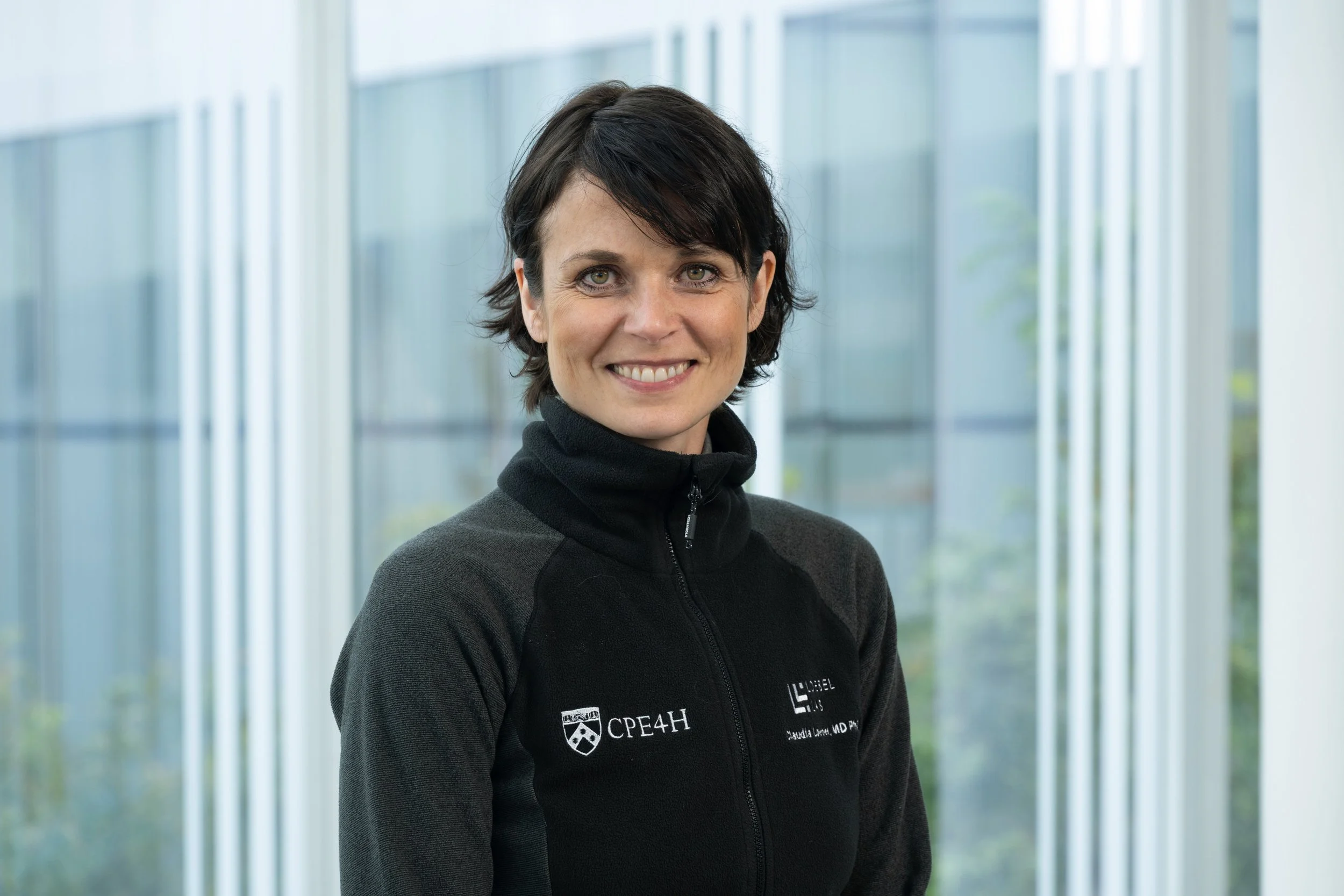
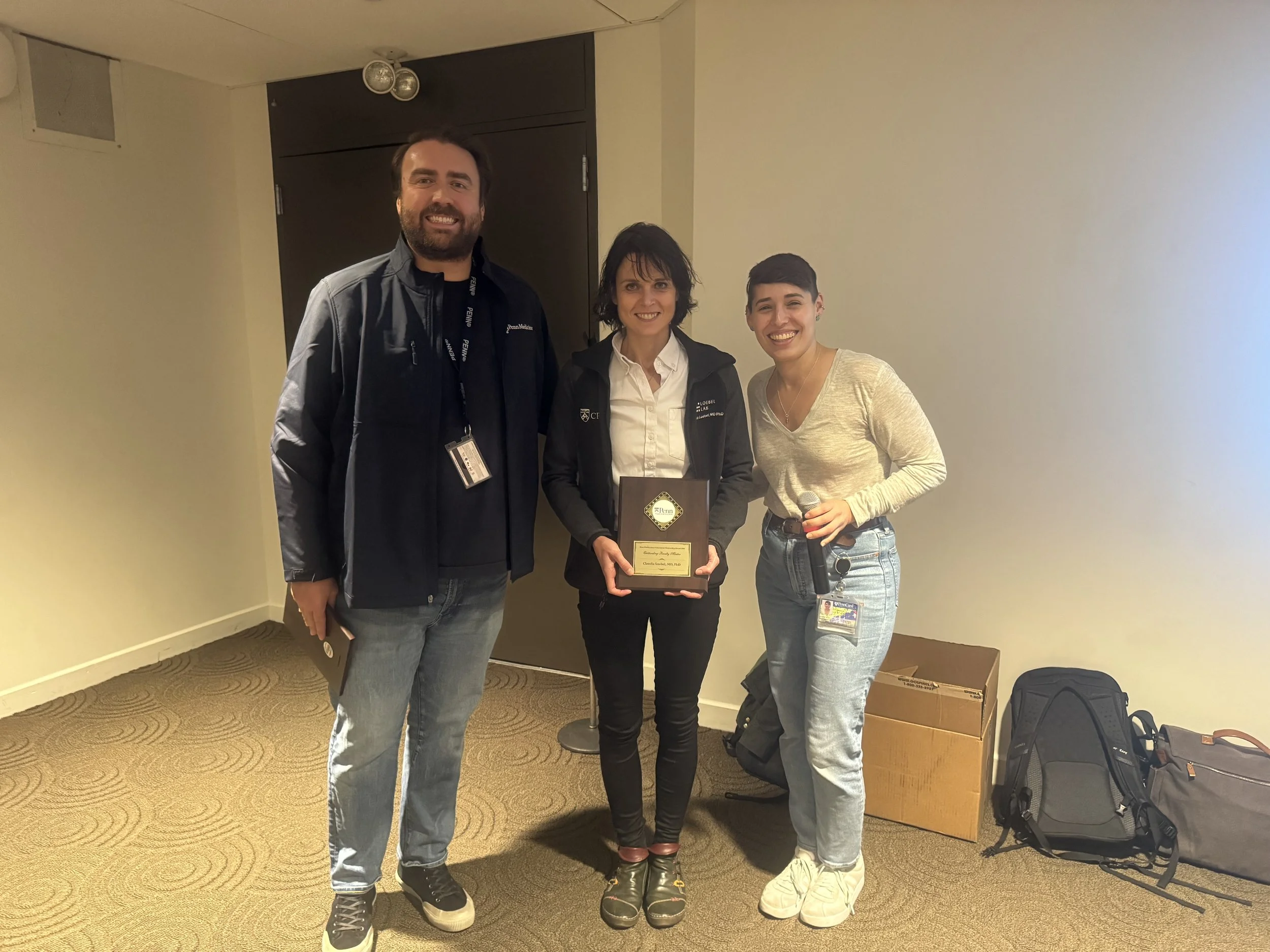
Claudia Loebel, MD, PhD
Dr. Claudia Loebel is an assistant professor of bioengineering at the University of Pennsylvania and a Packard Fellow for Science and Engineering. Her research focuses on understanding how cells build and remodel the extracellular matrix during tissue repair and disease, and on developing biomaterials and chemical biology tools to study and control these processes.
In her mentoring, she hopes to foster scientific independence, interdisciplinary thinking, and the development of each trainee’s own research identity. -
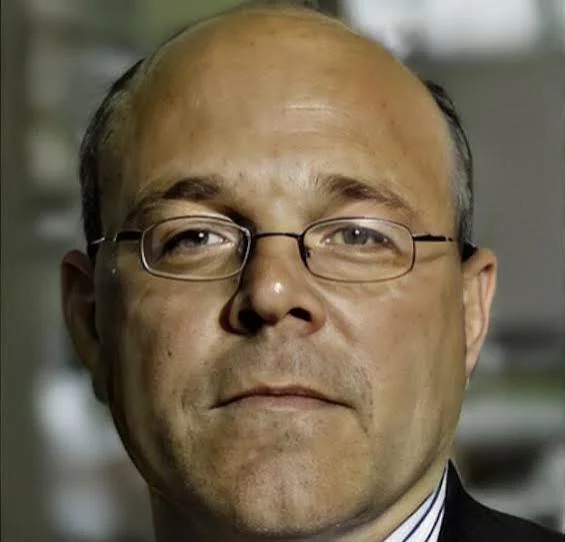
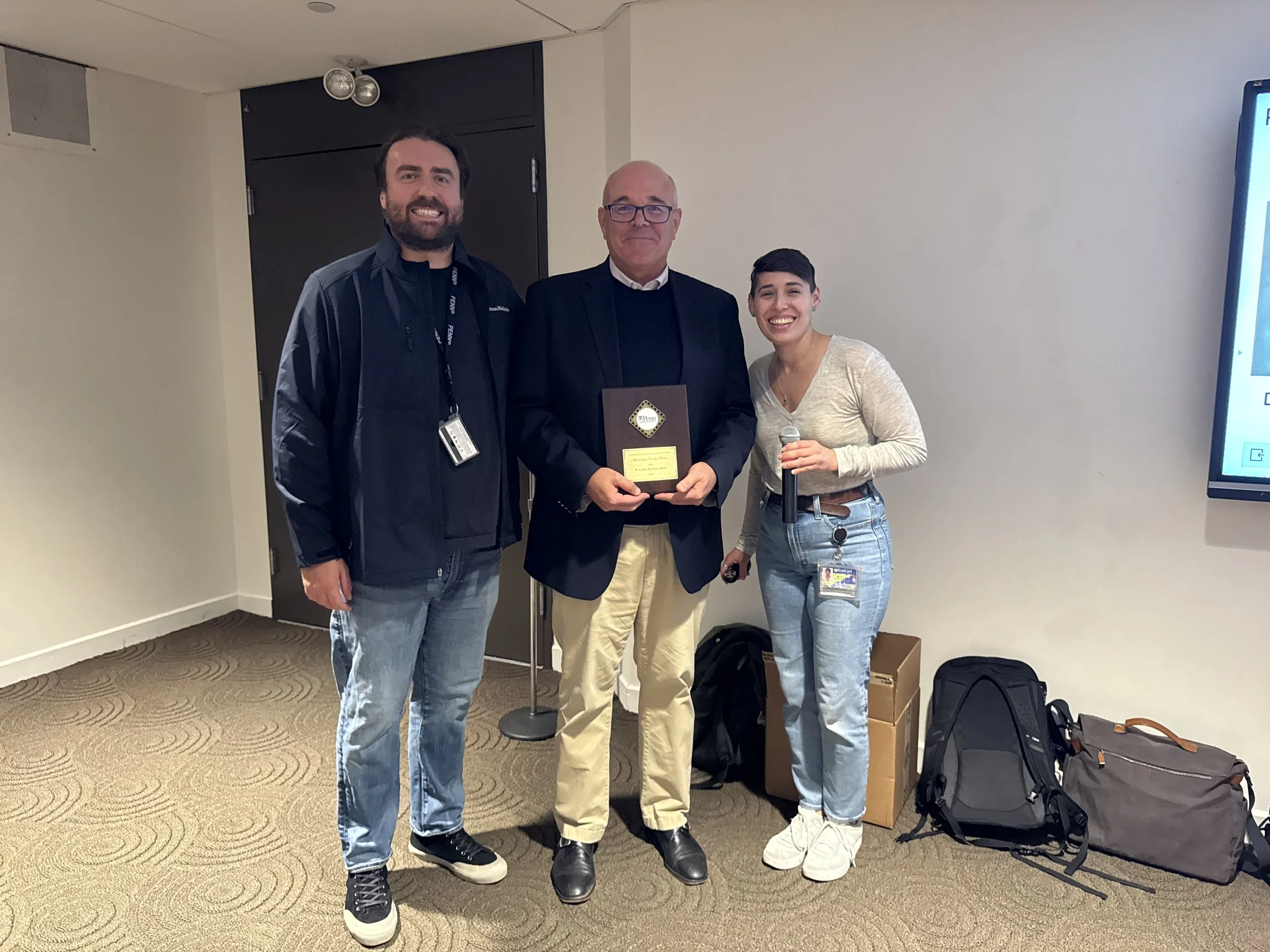
R. Lance Holbert, PhD
Dr. R. Lance Holbert (Ph.D., University of Wisconsin-Madison, 2000) is Director of the Leonore Annenberg Institute for Civics (LAIC) which is nested in the University of Pennsylvania’s Annenberg Public Policy Center. He is also a Research Professor at the Annenberg School for Communication. He is a quantitative social scientist whose scholarship focuses on parental-filial political socialization and persuasion. His current applied work involves efforts with PBS Newshour Classroom, National History Day, and the Rendell Center for Civics and Civic Engagement.
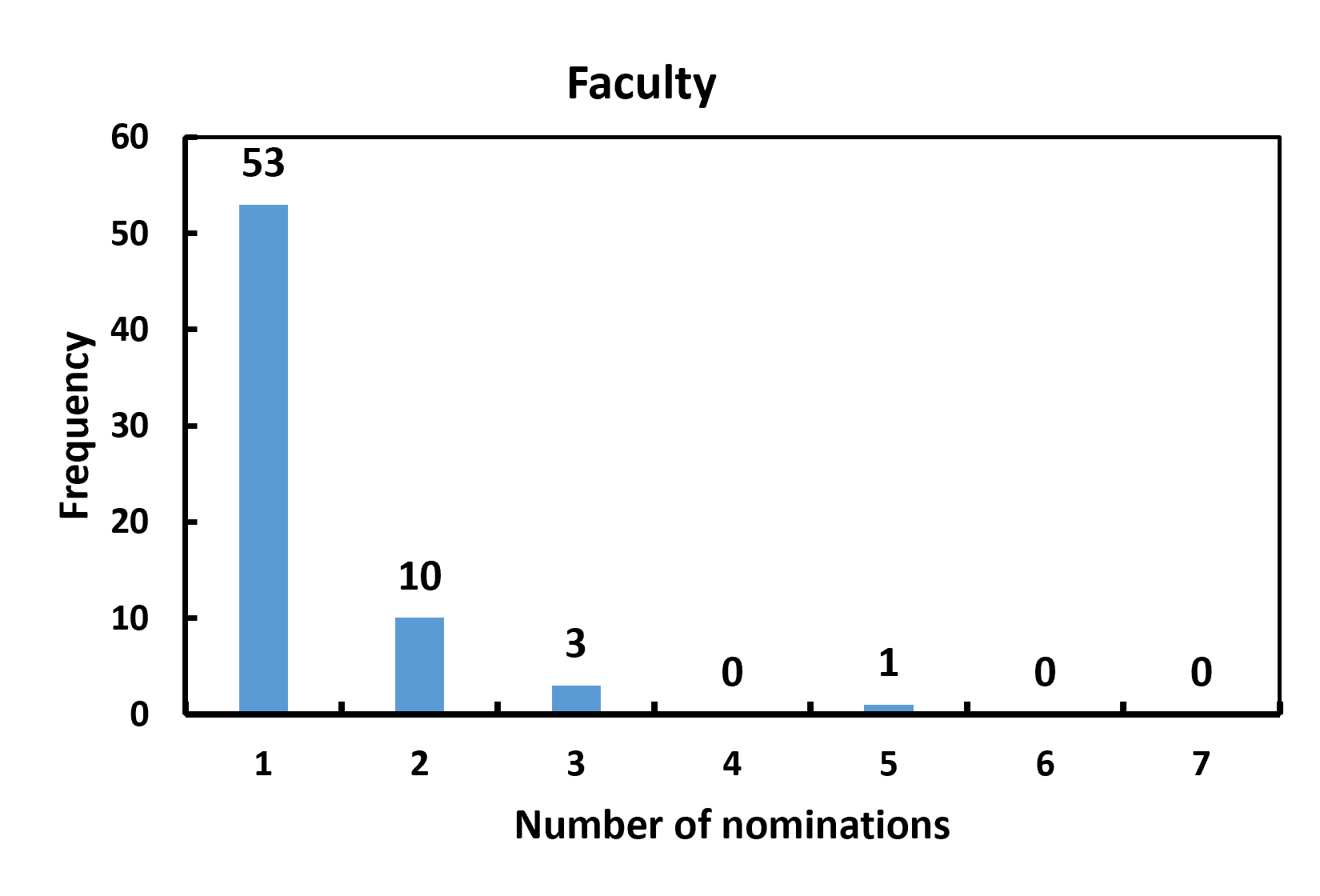
Some statistics…
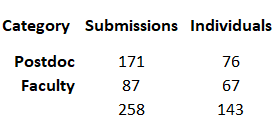
The raw numbers…
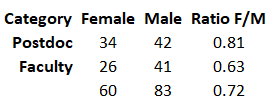
Nominations by gender…
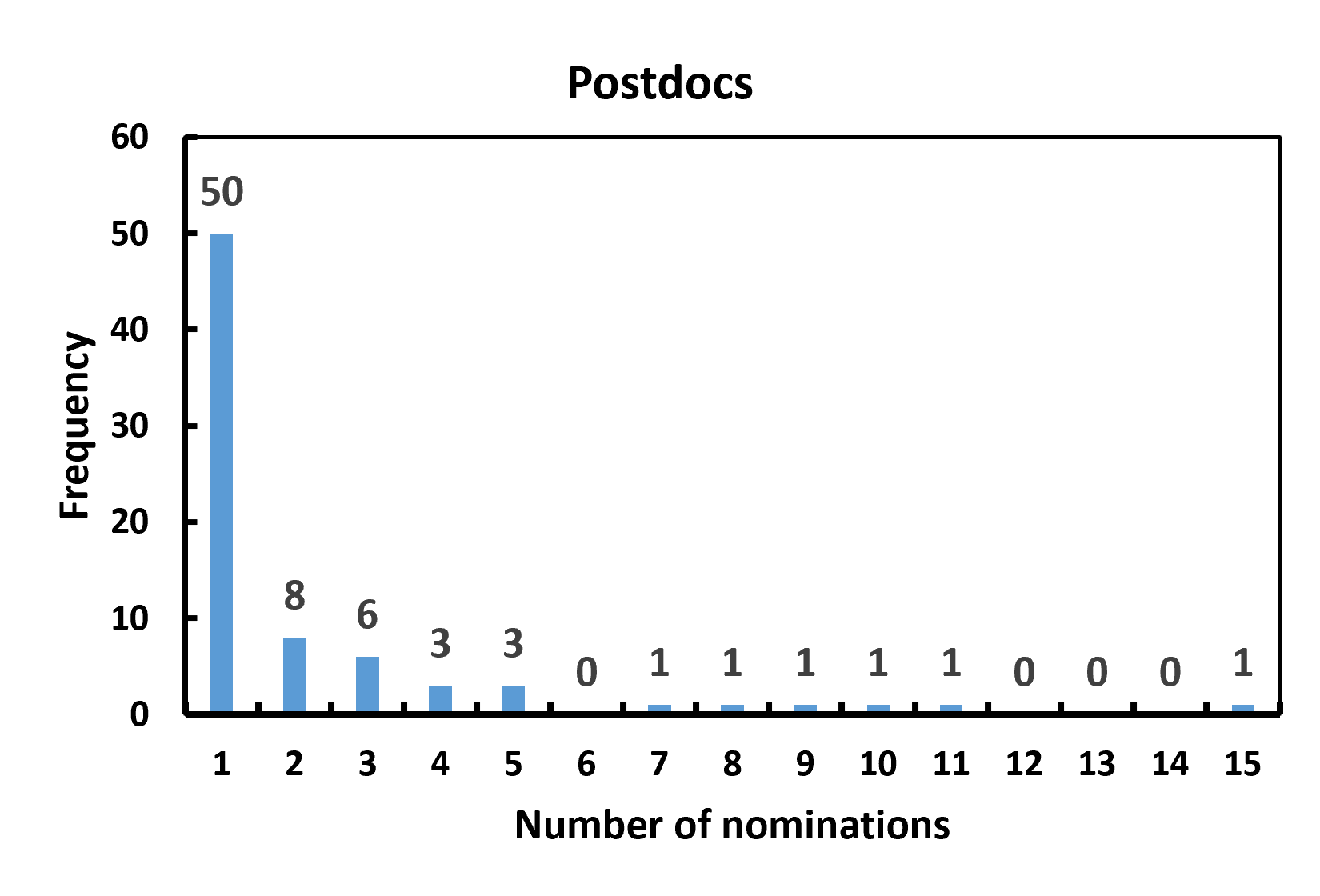
Nominations by postdocs:
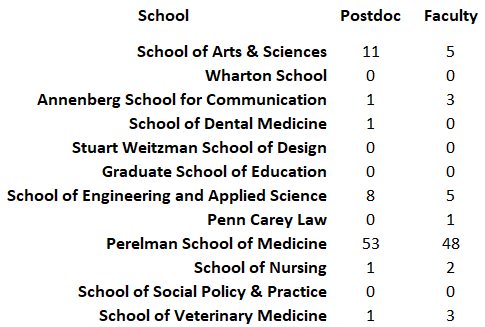
Nominations by school…
Nominations by faculty: